REPLAY
Save a synthetic checkpoint. Re-run the same scenario from the same starting point.
EPIPHANY AI3 LLC · ENGINEERED STEWARDSHIP™
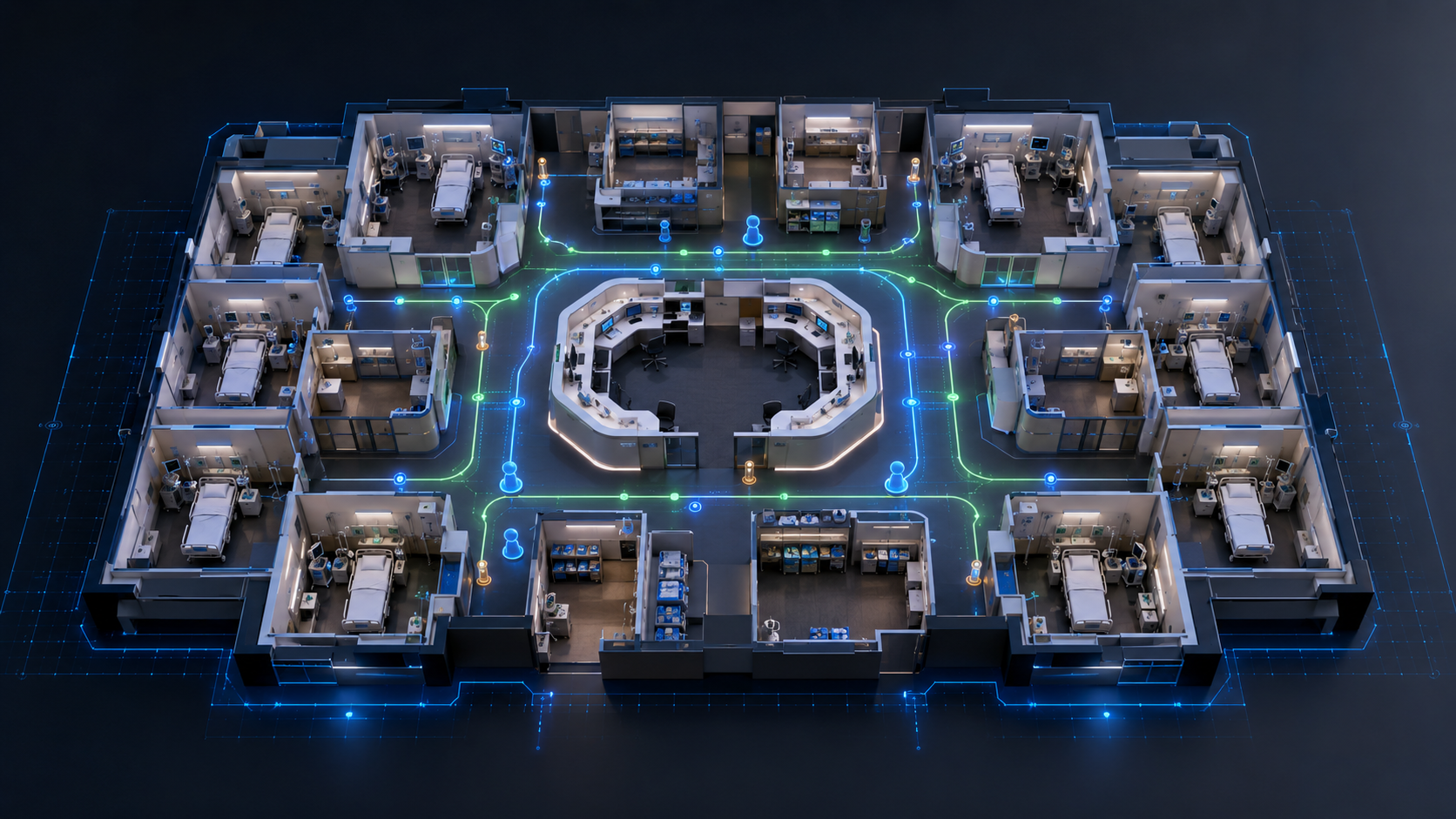
PHE-CC™ is a proposed whole-system safety simulation laboratory: replay one synthetic event, inspect the evidence trail, and understand what each entity could actually see, know, and lawfully do.
NOT LIVE CARE. No patient data. No clinical control. No treatment or staffing recommendation.
THE CORE DIFFERENCE
PHE-CC is built around a hard rule: a polished dashboard is not evidence. Every simulated change, interaction, room entry, route, and safety gate needs a visible, reviewable trail.
Save a synthetic checkpoint. Re-run the same scenario from the same starting point.
Change one bounded variable. Preserve the route, event, and evidence trail.
When evidence, consent, scope, or safety gates fail, operational authority stays with humans.
PERSPECTIVE & INTERDEPENDENCE ENGINE™
The same canonical event can be replayed through synthetic patient, nurse, respiratory, facilities, equipment, community, education, and safety-auditor views.
PUBLIC-RECORD CHECK · AUGUST 22, 2026
VERIFIED CONTEXT
AHRQ describes simulation as a way to identify latent safety threats, test environments, and uncover communication problems.
VERIFIED CONTEXT
NIH has publicly convened work on digital-twin frameworks in heart, lung, blood, and sleep research.
BOUNDARY
FDA says software called clinical decision support needs careful function-by-function assessment. PHE-CC does not claim that role.
PROJECT STATUS
It is not a live hospital product, medical device, clinical workflow connection, or evidence of clinical performance.
Simulation can identify latent safety threats, test environments, and surface communication problems.
A public NIH workshop signals active federal attention to digital-twin frameworks in health research.
Decision-support functions require careful scope and regulatory analysis; PHE-CC does not claim clinical decision support.